Common Pool Fence Problems & How to Avoid Them
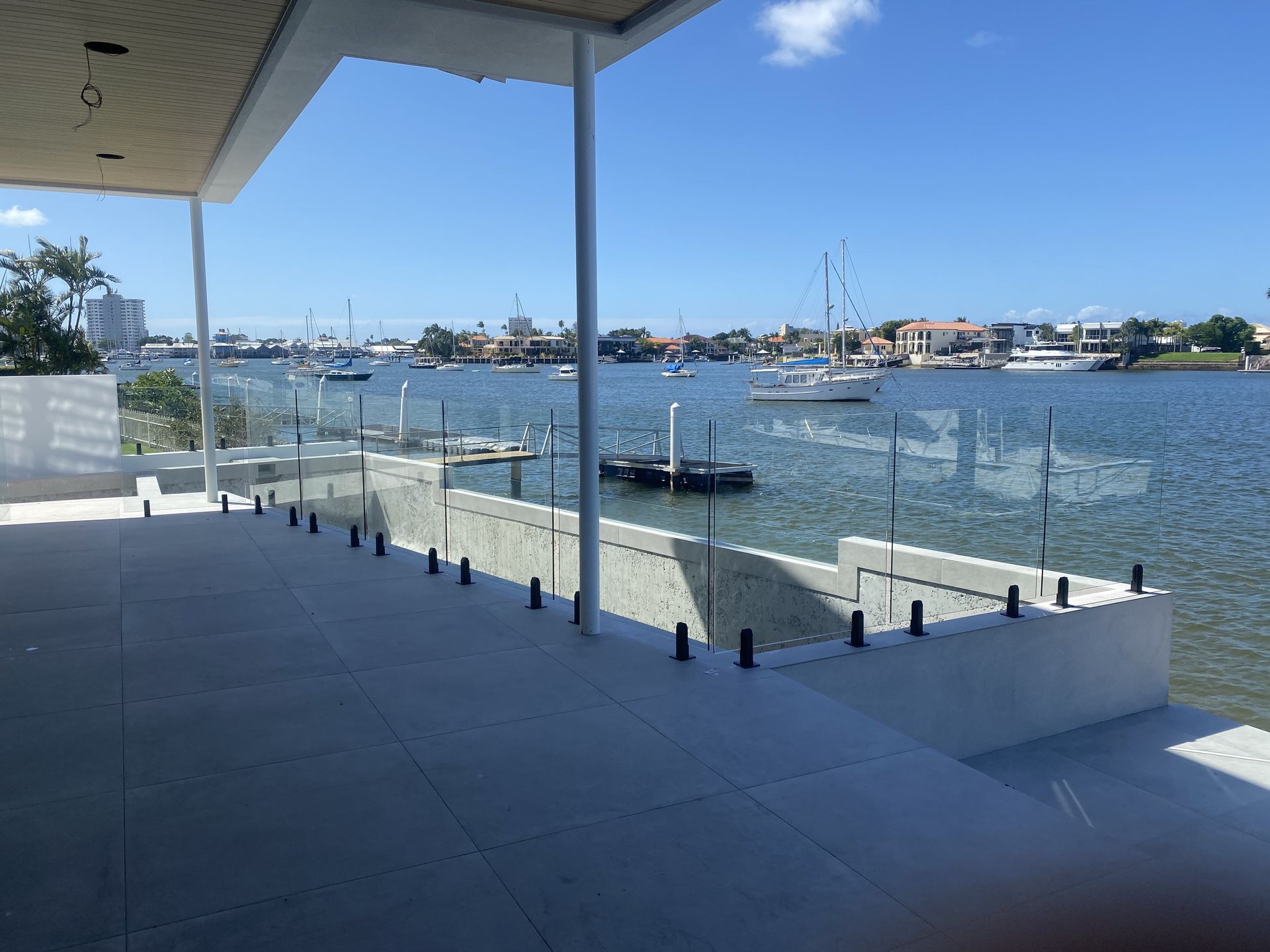
A backyard pool should feel like a place of ease, yet the line between relaxation and risk is often defined by the condition of the fence that surrounds it. Many property owners only notice their pool barrier when something goes wrong, whether it is a gate that no longer latches or panels that have shifted over time. For those investing in pool fencing solutions, understanding the most common issues before they arise can make the difference between ongoing compliance and costly corrections. From subtle wear and tear to overlooked installation details, small faults can escalate quickly. This guide explores where problems tend to begin and how to prevent them with practical, informed decisions.
Loose Or Misaligned Fence Panels Create Hidden Risks
Even a slight shift in alignment can compromise the integrity of a pool barrier, particularly with glass or metal systems that rely on precision. Over time, environmental factors and ground movement can cause panels to loosen or tilt, creating gaps that may not be immediately visible but still pose a safety concern. Regular inspection is essential, especially after storms or landscaping changes that affect the surrounding area.
Here are the most common causes of panel misalignment:
- Ground movement or soil erosion
- Poor initial installation or levelling
- Loose or corroded fixings
- Impact from external forces such as furniture or equipment
Addressing alignment early helps maintain both safety compliance and the visual appeal of the fencing system.
Faulty Gate Latches Are A Leading Compliance Issue
The gate is often the most used component of any pool fence, which makes it the most vulnerable to wear. A latch that sticks, fails to close automatically or sits at the wrong height can quickly lead to non-compliance. These issues are particularly concerning in households with young children, where reliable gate function is critical.
Key factors that contribute to latch failure include:
- Worn internal mechanisms
- Incorrect installation height
- Misaligned hinges affecting closure
- Debris or rust buildup inside the latch
Routine testing and timely replacement of faulty components are essential steps in preventing avoidable hazards.
Gaps & Climbable Zones Often Go Unnoticed
Compliance standards require strict spacing and non-climbable zones, yet these are frequently overlooked in older or modified fences. Small gaps beneath panels or between vertical elements can widen over time, while nearby objects such as planters or furniture may unintentionally create climbing aids.
Common problem areas to monitor include:
- Gaps forming under fence lines due to soil movement
- Horizontal rails that can be used as footholds
- Nearby structures placed too close to the fence
- Decorative elements that compromise safety spacing
Maintaining clear zones around the fence ensures it performs as intended without introducing new risks.
Corrosion & Material Wear Reduce Longevity
Exposure to moisture, chemicals and changing weather conditions can gradually degrade fencing materials. Metal components may corrode, while fittings and seals can weaken, particularly in coastal or high-humidity environments. Even high-quality materials require maintenance to retain their strength and appearance.
Signs of material wear to look for include:
- Rust spots or discolouration on metal fixtures
- Clouding or surface damage on glass panels
- Loose brackets or deteriorating seals
- Structural weakening in older installations
Preventative maintenance, including cleaning and protective treatments, can significantly extend the lifespan of the fence.
Poor Installation Leads To Ongoing Problems
Many recurring issues trace back to how the fence was installed in the first place. Incorrect measurements, inadequate anchoring or failure to follow compliance guidelines can result in persistent faults that require ongoing adjustments. Professional installation ensures that every component functions correctly from the outset.
Typical installation shortcomings include:
- Incorrect spacing between panels
- Improperly secured posts or spigots
- Misaligned gates or hinges
- Lack of adherence to safety regulations
Investing in proper installation reduces the likelihood of future repairs and ensures long-term reliability.
Lack Of Regular Inspections Allows Issues To Escalate
Pool fences are often out of sight and out of mind until a problem becomes obvious. Without routine checks, minor issues such as loose fittings or early corrosion can develop into more serious concerns. Establishing a simple inspection routine helps identify faults before they impact safety or compliance.
A practical inspection checklist should include:
- Testing gate self-closing & latching function
- Checking panel stability & alignment
- Inspecting for gaps or climbable elements
- Reviewing overall structural integrity
Consistent monitoring keeps the fence functioning as intended and reduces the risk of unexpected failures.
DIY Repairs Can Compromise Compliance
While minor fixes may seem straightforward, DIY repairs can sometimes introduce new problems if not done correctly. Adjusting components without understanding compliance requirements or using unsuitable materials can weaken the fence or create hidden risks. Professional repairs ensure that all work meets safety standards.
Common DIY pitfalls include:
- Using incorrect replacement parts
- Over-tightening or damaging fittings
- Misaligning gates during adjustment
- Ignoring compliance measurements
Seeking expert assistance for repairs helps maintain both safety and regulatory compliance.
Upgrading Older Fences Improves Safety & Value
Older pool fences may meet past standards but fall short of current expectations for safety and durability. Upgrading to modern systems can address multiple issues at once, including improved materials, better gate mechanisms and enhanced design features. This not only increases safety but can also add value to the property.
Benefits of upgrading include:
- Stronger, more durable materials
- Improved visibility with modern designs
- Enhanced gate & latch technology
- Greater alignment with current compliance standards
A well-executed upgrade transforms the fence from a basic requirement into a reliable, long-term asset.
Take The Next Step Towards A Safer Pool Area
We at Frameless Shower Installations understand the unique challenges property owners face when maintaining compliant and durable pool fencing. Whether you are dealing with wear and tear, planning a new installation or upgrading an existing system, our team delivers tailored pool fencing solutions designed for lasting performance. If you are in Caloundra or surrounding areas and want peace of mind around your pool, contact us today to discuss your needs or book a consultation.